



For international families, Cap Cana is rarely a casual second-home decision. It is a place chosen for a particular rhythm of life: easy arrivals through Punta Cana International Airport, a controlled resort environment, and a setting where the marina, beaches, golf, and private residences are all part of the same daily geography. In that context, marina villas carry a special appeal. They offer a more nautical, more social, and often more visually layered version of east-coast ownership than a purely beach-facing address.
Cap Cana’s appeal also comes from scale and planning. The destination is presented as a private, master-planned city on the eastern coast, with Juanillo Beach, the Cap Cana Marina, Punta Espada Golf Club, bilingual schools, and a broad hospitality mix all within the same resort framework. For families comparing the Punta Cana Region, that combination matters because it changes how a home is used: not only as a retreat, but as a base for school runs, long weekends, visiting grandparents, golf trips, and extended seasons in the Caribbean.)
For readers beginning their search, BARNES Dominican Republic’s Cap Cana market guide and current Cap Cana opportunities are the most useful starting points. They help frame the difference between a marina-facing villa, a golf-oriented residence, and a home closer to the beach clubs and hotel corridor.
Why Cap Cana feels different from other east-coast addresses
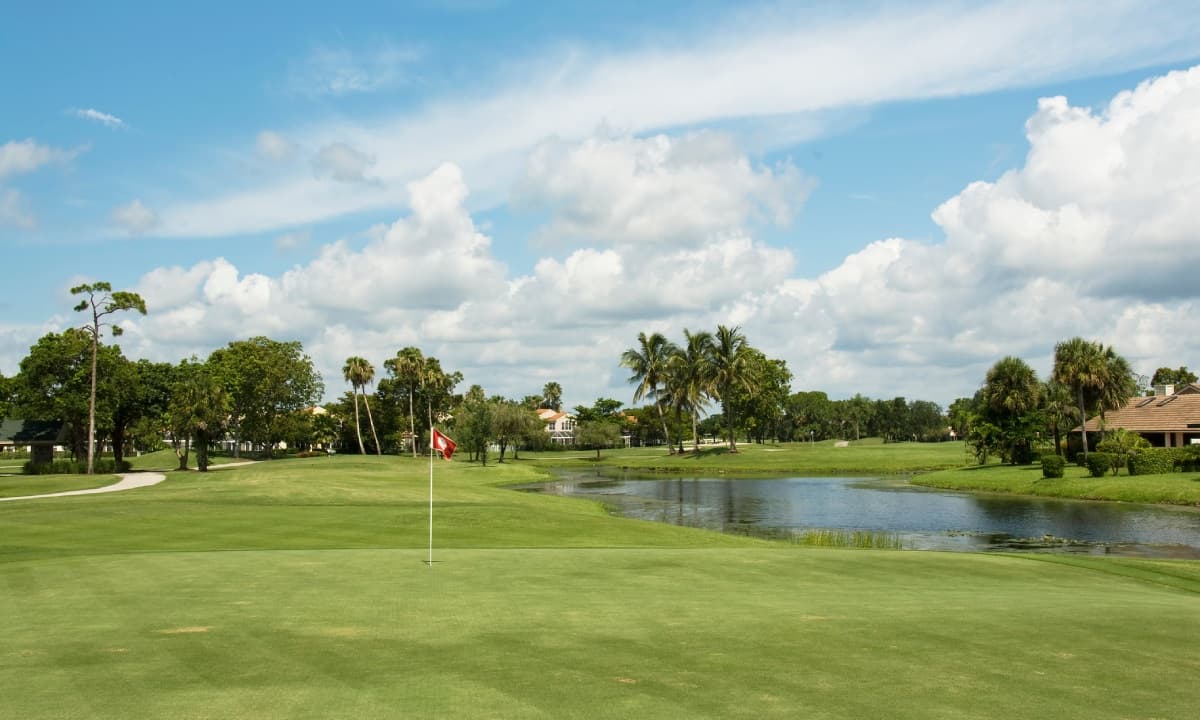
Cap Cana is not simply another beach district in Punta Cana. It is a low-density, controlled-access resort city with a clear internal structure: marina, beaches, golf, hospitality, and residential pockets that each serve a different kind of owner. That distinction is important for families because it allows the purchase decision to be based on use case rather than on a generic coastal aspiration. A home near the marina will feel very different from one closer to Juanillo or Punta Espada, even if both sit inside the same destination.
The airport connection is one of the destination’s strongest practical advantages. Cap Cana is described by the destination itself as being only minutes from Punta Cana International Airport, and the broader Punta Cana Region is structured around that ease of access. For families flying in from the United States, Europe, Canada, or Latin America, this turns a Caribbean residence into something more habit-forming than occasional. The trip is short enough to make long weekends realistic and frequent enough that ownership can support a genuine family routine.)
Another difference is the density of services. Cap Cana’s official materials point to beaches, fine dining, sportfishing, schools, healthcare, security, and utilities within the destination. That matters to international owners because the question is not just whether the setting is beautiful, but whether it is practical for children, guests, and longer stays. In a market like this, convenience is part of the lifestyle proposition, not a separate consideration.)
Marina living in Cap Cana: more than a view of boats
Marina living in Cap Cana has a different texture from standard beachfront ownership. The marina is not an isolated amenity; it is a social and recreational anchor. Cap Cana describes the marina as a place for sportfishing tournaments, oceanfront dining, and yachts, and recent 2026 tournament coverage reinforces that it remains an active, internationally visible fishing destination. For owners, that means the marina is not decorative. It shapes the atmosphere of the neighborhood, the kind of visitors it attracts, and the cadence of the season.)
That has direct implications for families. A marina villa can suit households that like movement, arrival, and departure: boats, lunch at the dock, visiting friends, and a setting that feels animated without being urban. It can also suit owners who want a more layered resort identity than a pure beach house offers. The trade-off is simple: marina life brings energy and convenience, while a more secluded beachfront address may feel quieter and more elemental. The right answer depends less on status than on how the family actually spends time.
Cap Cana’s marina also benefits from the destination’s conservation-oriented fishing culture. Marina Cap Cana is associated with catch-and-release billfish practices and with tournaments that draw international participants. That creates a specific kind of prestige—one rooted in activity, not spectacle. For some buyers, that is precisely what gives the area character.)
Beach access, Juanillo, and the decision between sand and harbor

For many buyers, the real comparison is not Cap Cana versus Punta Cana, but marina versus beach. Juanillo Beach is one of Cap Cana’s most immediately usable coastal settings: broad, bright, and well suited to family time. Official Cap Cana materials also highlight Api Beach and the destination’s more than three miles of powder-like sand beaches. That means a buyer can choose between a more open beachfront rhythm and a marina address that feels more architectural and social.)
Families with younger children often gravitate toward beach access because it simplifies the day. Families with older children, active guests, or boat owners may find the marina more compelling because it creates more reasons to go out and return. In practical terms, the best property is often the one that matches the family’s most repeated habit: swimming, paddle sports, fishing, golf, dinner out, or simply entertaining at home with a view over the water. Cap Cana is strong because it can support all of those patterns without forcing the owner to leave the resort.)
For a broader comparison across the east coast, BARNES Dominican Republic’s Punta Cana Region market guide is useful. It places Cap Cana alongside Puntacana Resort & Club and Bávaro, which helps clarify whether the family wants older, greener resort privacy, a more programmed marina-and-hospitality environment, or a beach corridor with stronger tourism energy. That comparison is often the moment when buyers understand where their lifestyle actually belongs.
What current listings tell you about the market
Current Cap Cana inventory should be read as a signal, not just a shopping list. In resort markets, the best homes tend to reveal the character of the enclave: orientation, privacy, architectural language, and whether the property is designed for short visits or long stays. BARNES’s current Cap Cana selection shows the range that serious buyers are considering, including waterfront and golf-oriented villas. That breadth is useful because it confirms that Cap Cana is not a single-product market; it is a set of distinct ownership experiences inside one destination.)
For international families, the key questions are usually the same. Is the home close enough to the marina to feel connected, but not exposed? Does it offer enough interior-outdoor space for multigenerational stays? Is the architecture modern and low-maintenance, or more expressive and custom? Does the property support private arrival and departure, or does it depend on hotel-style circulation? These are the questions that matter more than square footage alone.
If you want to compare what is currently available in a more focused way, BARNES’s Cap Cana listings page is the natural next step. For buyers who are still deciding between a seasonal stay and a purchase, the Punta Cana rental context can also be helpful, especially for families who prefer to test the rhythm of the region before committing to ownership.
How international families should compare Cap Cana with the wider Punta Cana Region
The Punta Cana Region works best when it is compared honestly. Puntacana Resort & Club is often seen as the benchmark for older prestige, lower density, and a greener residential atmosphere. Cap Cana offers a more visible resort-club life, with marina activity, beach clubs, hospitality brands, and a stronger sense of programmed destination living. Bávaro, by contrast, is more tourism-driven and hotel-heavy. Each has its own logic, and each suits a different family profile.)
That comparison matters because international families do not all want the same kind of Caribbean ownership. Some want quiet continuity and long-hold stability. Others want a setting that feels active, polished, and easy to share with guests. Cap Cana often wins when the brief includes marina use, golf, controlled access, and a strong holiday rhythm without losing the feel of a private residence.
It also matters for future use. A home that works well for family holidays, school breaks, and long weekends is more likely to remain useful over time. In that sense, the strongest purchase is often the one that stays relevant after the first year of ownership. That is why the right comparison is not simply price or view, but pattern of use.
BARNES advisory paths for a discreet purchase process
BARNES Dominican Republic is well placed for buyers who want a more considered process: market orientation, current inventory, private search support, and access to discreet opportunities when the right home is not openly visible. For some families, the best route is to begin with the public market. For others, especially those seeking scarcity or a very specific marina position, the smarter path is private.
That is where BARNES’s national platform can help. The Dominican Republic properties guide is useful for buyers who want to understand the broader ownership landscape beyond Cap Cana. And for families who prefer a confidential search, off-market access is the natural next step when inventory is limited or timing matters. In a destination like Cap Cana, discretion often becomes part of the value proposition.)
For owners who are already in the market and want to understand how a villa should be positioned, BARNES’s property valuation support is also relevant. Even in a resort setting, presentation and pricing discipline matter. A residence that is well understood by the market is easier to compare, easier to negotiate, and easier to hold with confidence.
Choosing the right Cap Cana villa for family use
The best Cap Cana villa is not necessarily the most dramatic one. It is the one that matches the family’s habits: how often they travel, whether they entertain, whether they value marina life over beach quiet, and whether they want a home that feels private first and resort-like second. Cap Cana is strong because it offers credible answers to all of those questions without losing its sense of place.
For international families, that is the real attraction. Cap Cana gives you a marina, a beach, a golf course, a school environment, and a controlled resort setting in one coherent address. It is not a generic Caribbean backdrop. It is a specific ownership decision, and the right one usually becomes clear once the family compares how it would actually live there. If you are beginning that comparison, the best next step is to review current Cap Cana opportunities, then narrow the search by lifestyle rather than by headline features alone.