

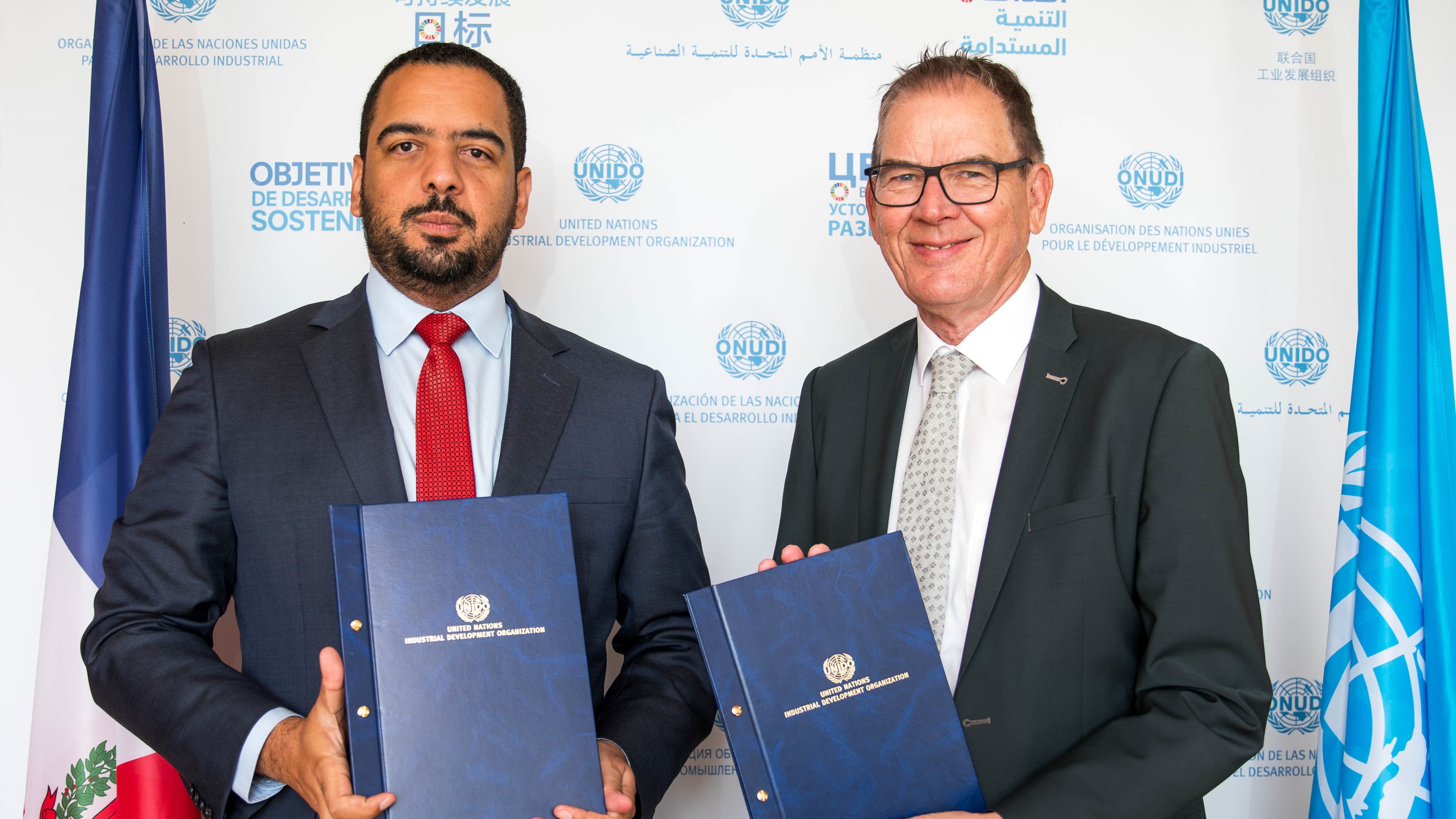

Overview of the 2025 Fiscal Policies
The Dominican Republic's fiscal landscape underwent significant transformations in 2025, marked by strategic policy shifts aimed at bolstering economic resilience and fostering sustainable growth. Central to these changes was the government's commitment to a counter-cyclical fiscal approach, designed to mitigate external economic pressures and stimulate domestic activity. This strategy involved a notable increase in public investment, particularly in infrastructure projects, to invigorate the economy and create a robust foundation for future development.
Key Tax Reforms and Budget Allocations

In August 2025, the Ministry of Finance and Economy presented a reformulated budget to the National Congress, emphasizing a 20% expansion in capital expenditure, amounting to RD$35,548.25 million, or 0.4% of the projected GDP. This allocation was primarily directed towards public investment projects managed by various governmental bodies, including the Ministry of Public Works and Communications, the Ministry of Housing, and the Office for the Reorganization of Transport (OPRET). The focus areas encompassed transportation infrastructure, housing development, and urban planning initiatives, reflecting a comprehensive approach to national development.
Concurrently, the government projected total revenues for 2025 at RD$1,277,364.7 million, representing 16.0% of the anticipated GDP. This fiscal plan aimed to balance the need for increased public investment with the imperative of maintaining fiscal responsibility, as evidenced by the projected fiscal deficit of 3.47% of GDP, financed primarily through surpluses from previous fiscal years. This approach ensured that the expansion in public spending did not exert undue pressure on the national debt.
Potential Impacts on the Real Estate Sector
The fiscal reforms of 2025 are poised to have multifaceted effects on the Dominican Republic's real estate sector. The substantial increase in public investment, particularly in infrastructure, is expected to enhance the attractiveness of various regions for both residential and commercial development. Improved transportation networks and urban planning initiatives are likely to elevate property values and stimulate demand in previously underserved areas.
Moreover, the government's focus on housing development, including projects like Ciudad Juan Bosch, is anticipated to address the growing demand for affordable housing. Adjustments to tax exemptions for low-cost housing projects, such as the increase in the exemption threshold to RD$5,193,655.47, aim to make homeownership more accessible to a broader segment of the population, potentially expanding the market for residential properties.
However, the elimination of certain tax exemptions, particularly in sectors like tourism and film, may lead to increased operational costs for businesses within these industries. This could have a cascading effect on the real estate market, especially in areas heavily reliant on tourism, where higher costs might influence investment decisions and property valuations.
Strategies for Investors and Property Owners
For investors and property owners, staying informed about the evolving fiscal policies is crucial for making strategic decisions. The emphasis on infrastructure development presents opportunities to invest in properties situated along newly developed transportation corridors or in proximity to planned urban projects. Identifying and capitalizing on these areas can yield substantial returns as demand increases due to improved accessibility and amenities.
Additionally, understanding the nuances of tax reforms, such as changes in property tax exemptions and rates, is essential for effective financial planning. Engaging with local tax advisors and legal experts can provide clarity on how these reforms impact property ownership and investment returns, ensuring compliance and optimizing tax liabilities.
What This Means for Dominican Republic Buyers
The Dominican Republic's fiscal policies in 2025 reflect a strategic vision aimed at fostering economic stability and growth. While these reforms present challenges, they also offer significant opportunities for those attuned to the evolving landscape. By proactively engaging with these changes, investors and property owners can position themselves to benefit from the country's dynamic development trajectory.